No. 01 Lisbon, Portugal
01

Lisbon

A photographer's notebook from a city that does its best work slowly.

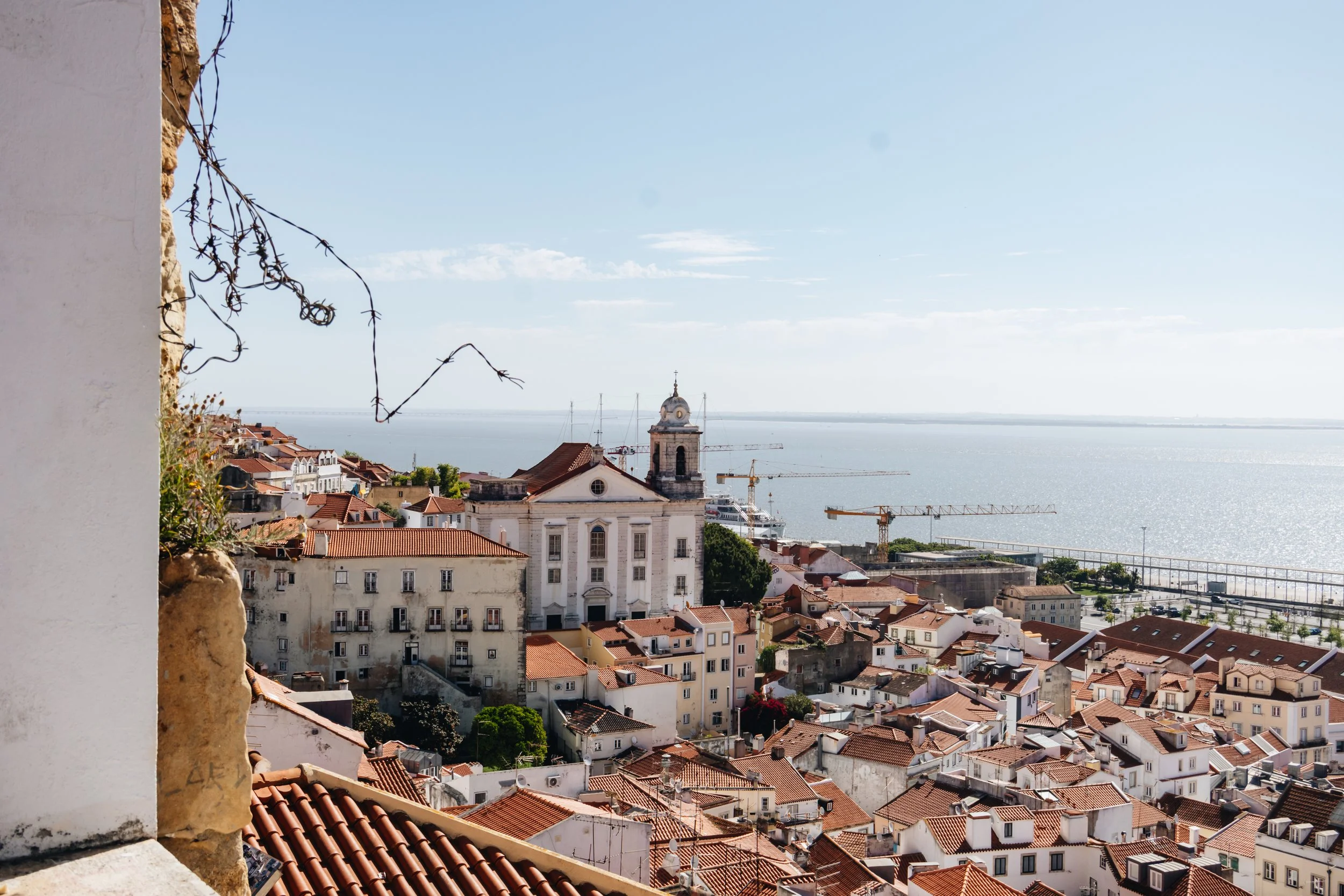
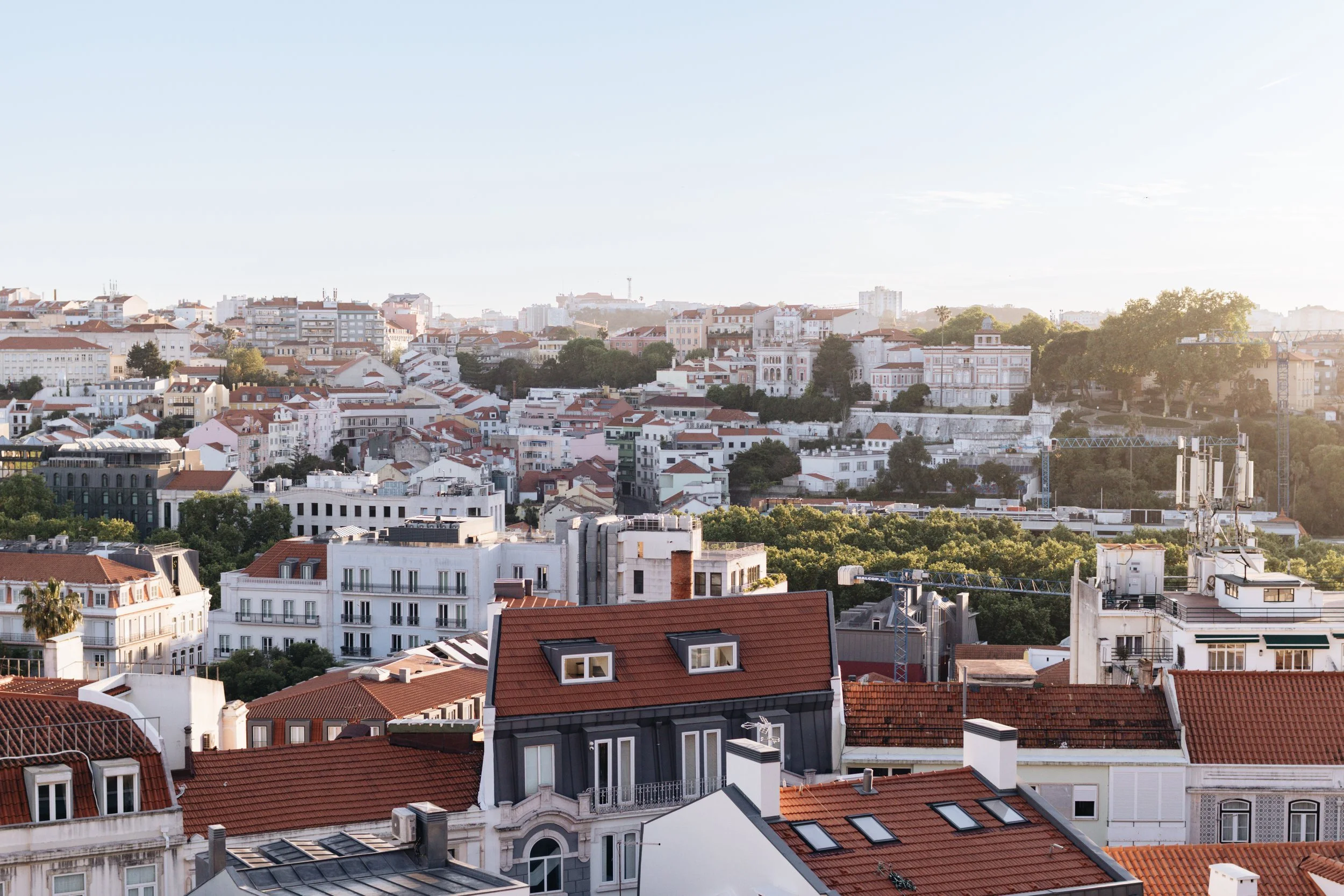
Late morning over Alfama, Lisbon Field Guide
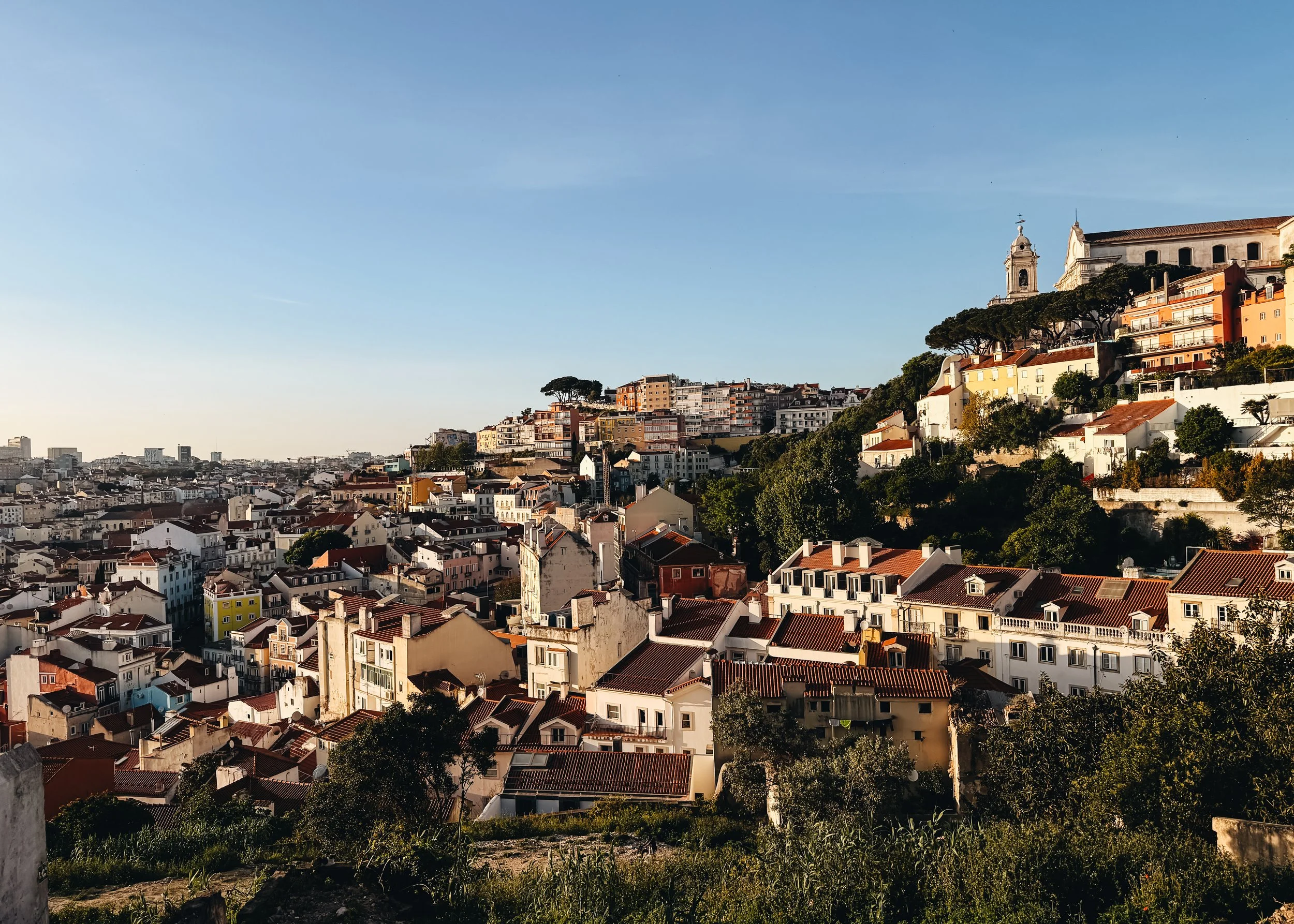
Late morning over Alfama, the city stacking down toward the river.
· · ·
Chapter One

Why Lisbon

Lisbon had been on the list for years. We finally went with friends, looking for an easy first taste of Portugal, and what we found was a city that doesn't ask much of you. You sit in a park. You order an imperial. You watch the light fall down the hills. Two hours pass.

That's the rhythm of the place, and it's the thing nobody quite tells you. Lisbon's gift isn't a list of sights, it's a tempo. The city rewards lingering. A glass of Douro Valley red on a wooden bench in a square. A pastry standing up at a counter. A walk through Alfama early enough that the only sound is laundry pulleys.

For a photographer, that pace is a quiet luxury. The light here is generous, long and raking and terraced down the seven hills, and the city gives you time to actually wait for it. If you're planning a long weekend in Lisbon, or a slower week, the rest of this guide is the version of the city I'd hand a friend who shoots, eats, and walks for a living. Curated, not exhaustive. The places we went back to.

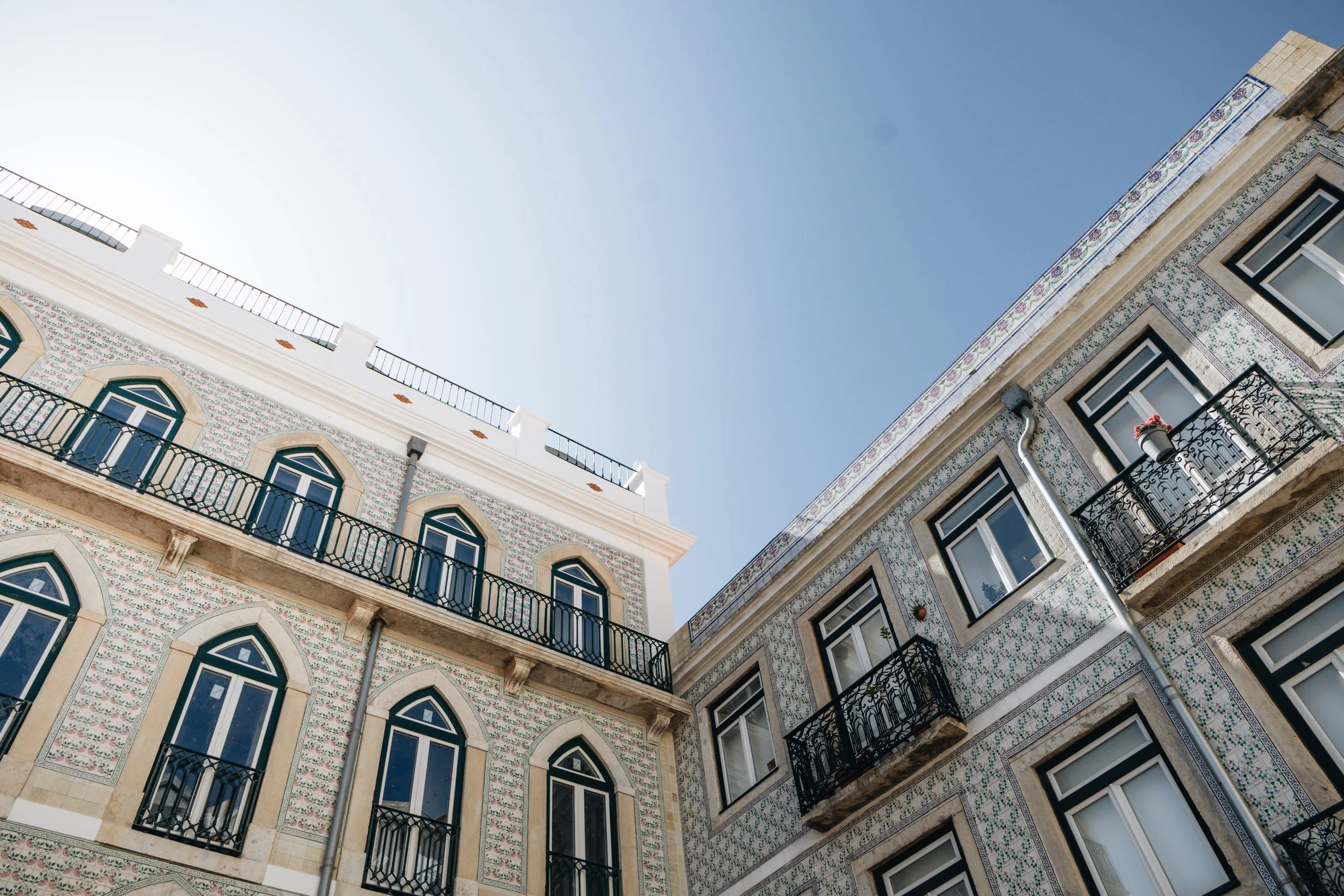
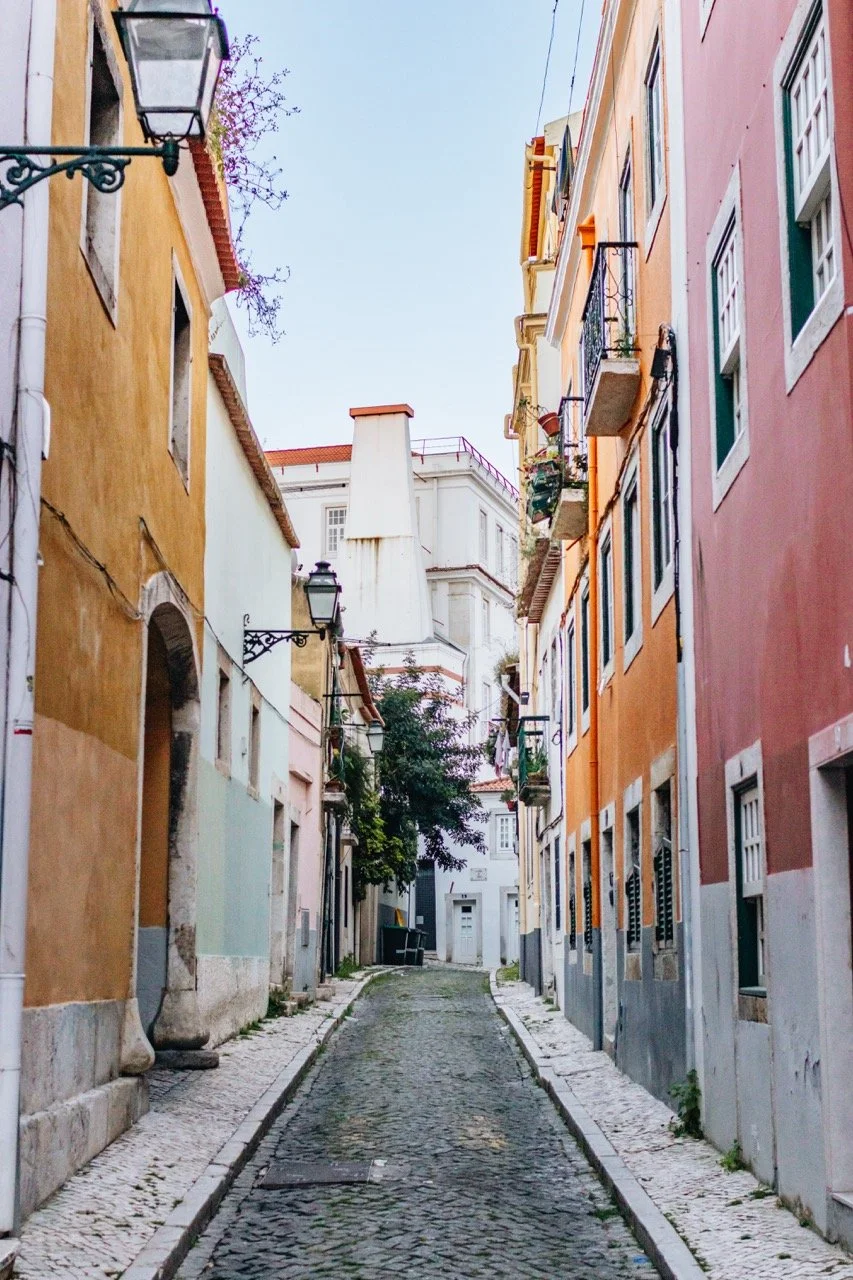
Morning street in Príncipe Real, Lisbon Field Guide

Chapter Two

Where to Stay

Memmo Príncipe Real

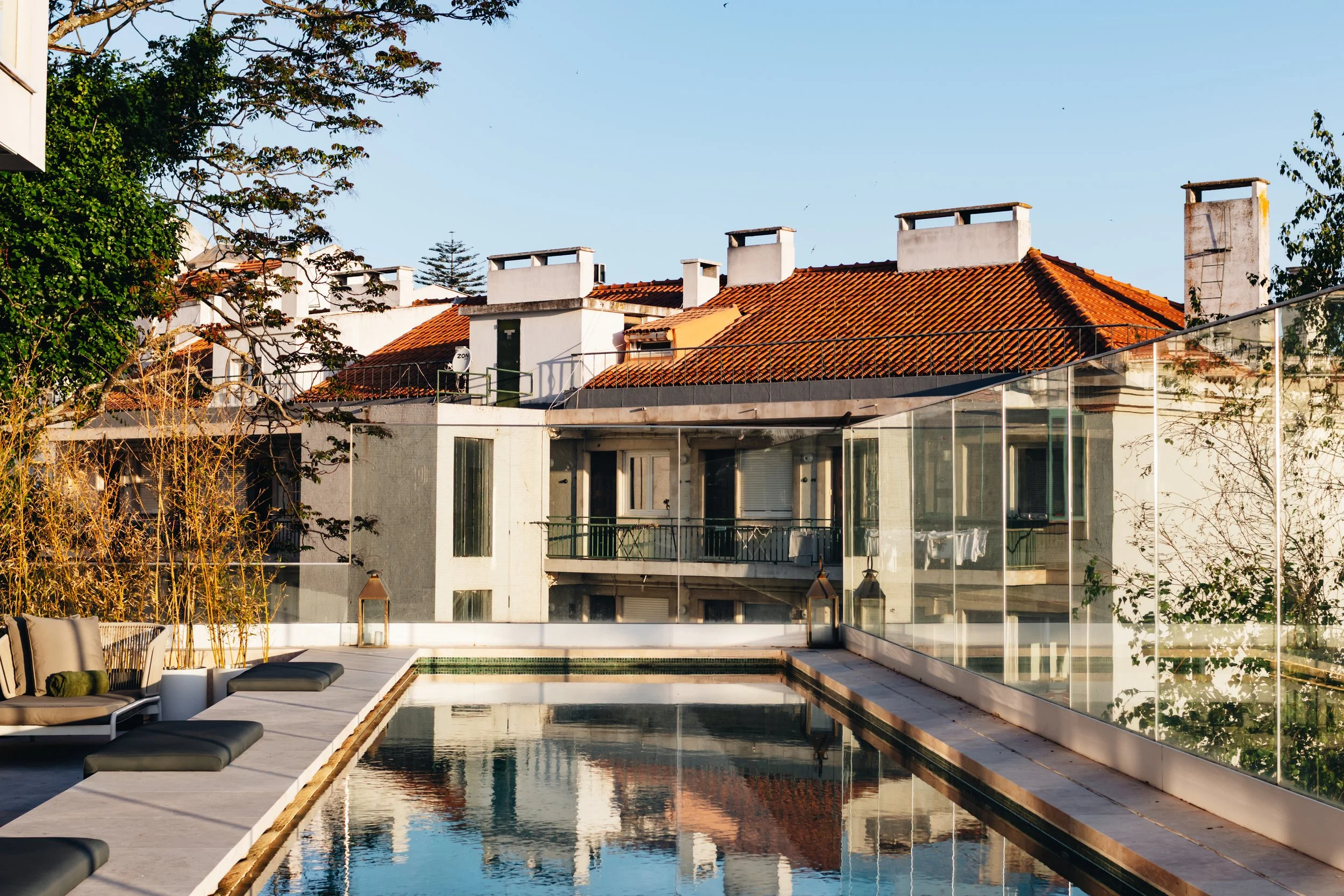
We stayed at Memmo and the neighborhood is the real takeaway. Príncipe Real sits on the high spine of the city: quiet streets, a tree-lined square, walking distance to almost everywhere worth going. The hotel has views over half of Lisbon and a pool that earns its keep at the end of a hot day.

It's not cheap. If the budget doesn't allow it, the lesson still holds. Stay in Príncipe Real. The neighborhood is the move.

Memmo Príncipe Real, Lisbon

Chapter Three

Where to Eat

Five places we went back to, or wished we had. Lisbon's table is generous: small rooms, honest cooking, natural wine from the Douro on most lists worth reading.

Plano

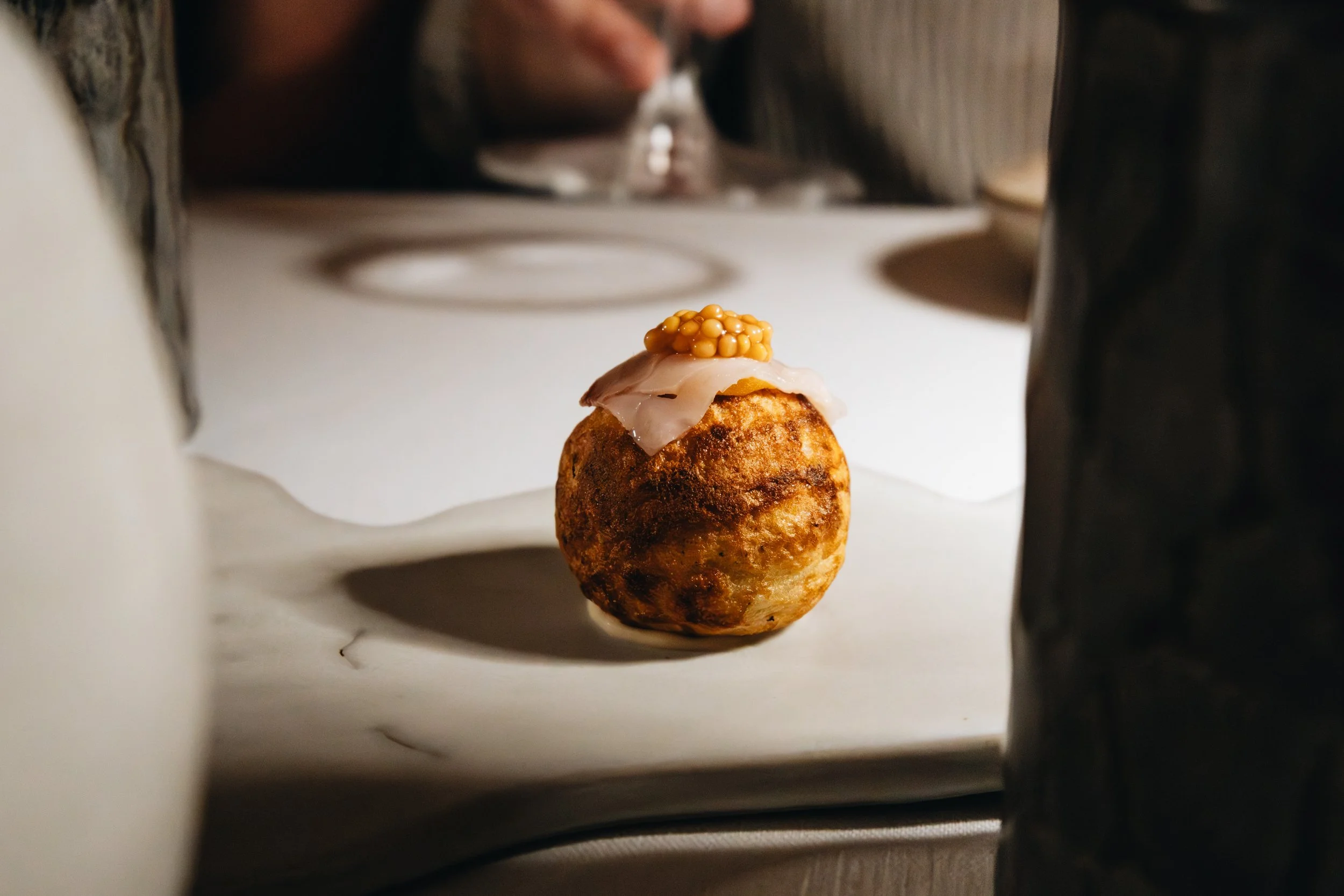
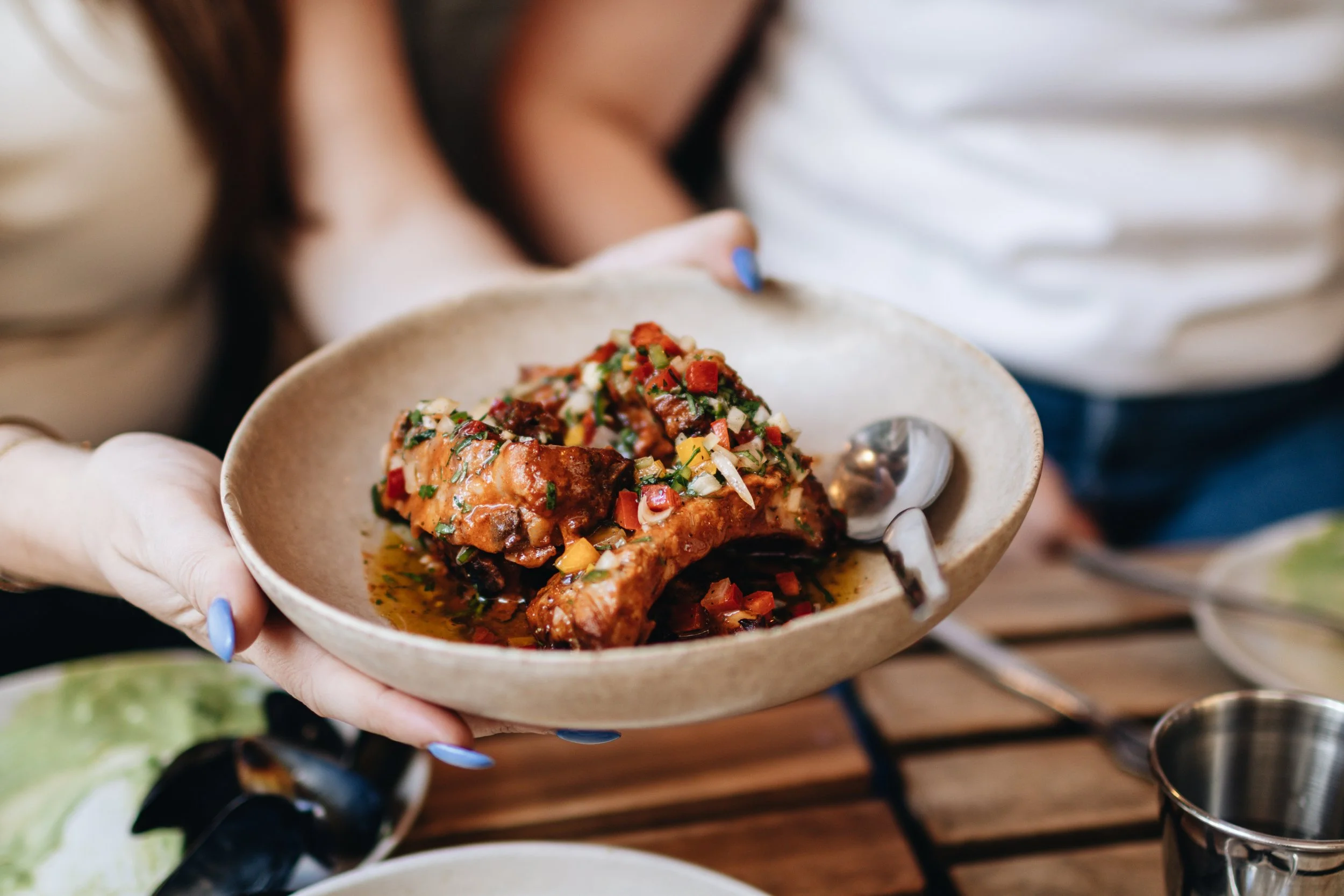
Our favorite dinner of the trip. Plano is the kind of small, considered room you'd want to shoot for an editorial. Open kitchen, low light, a wine list that leans on the Douro and trusts you to follow. Order whatever's on the tasting menu. Stay for the last glass.

Plano restaurant, Príncipe Real, Lisbon

Taberna da Rua das Flores

A blackboard menu, a tight room, a line out the door by 7. Worth it. The cooking is the kind of thing the city does best: old recipes, sharpened. Go at opening or come back at 9:30.

Taberna da Rua das Flores, Chiado, Lisbon

A Obra

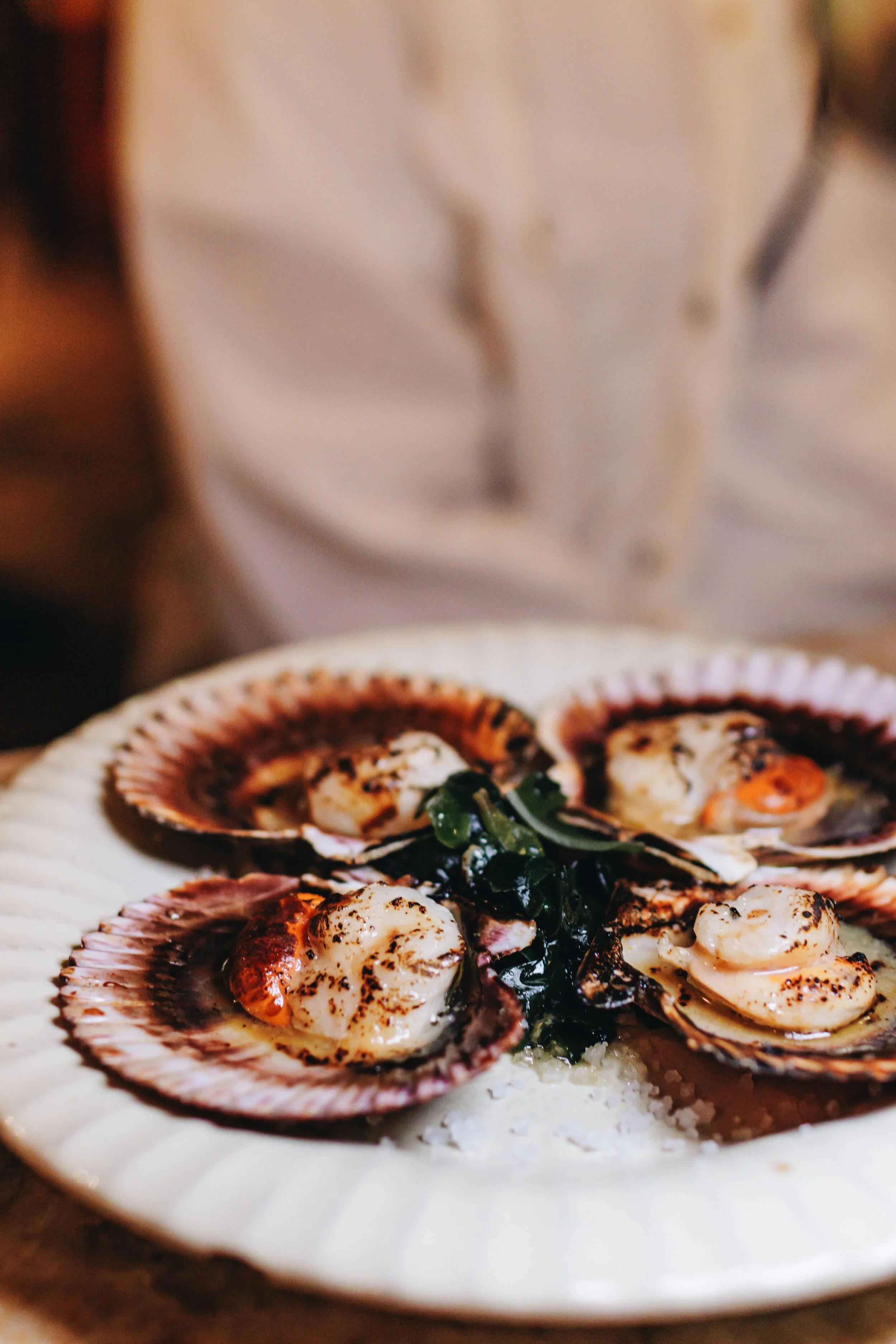
The lunch spot of the trip. Small plates, an unbelievable wine list, the kind of service that makes you want to stay through the afternoon. If you only have one long lunch in Lisbon, have it here.

A Obra wine bar, Príncipe Real, Lisbon
Plates and wine at A Obra, Lisbon

Discreto

The name is honest. Tucked away, easy to walk past, exactly the right kind of room. Great food, no fuss. Find it.

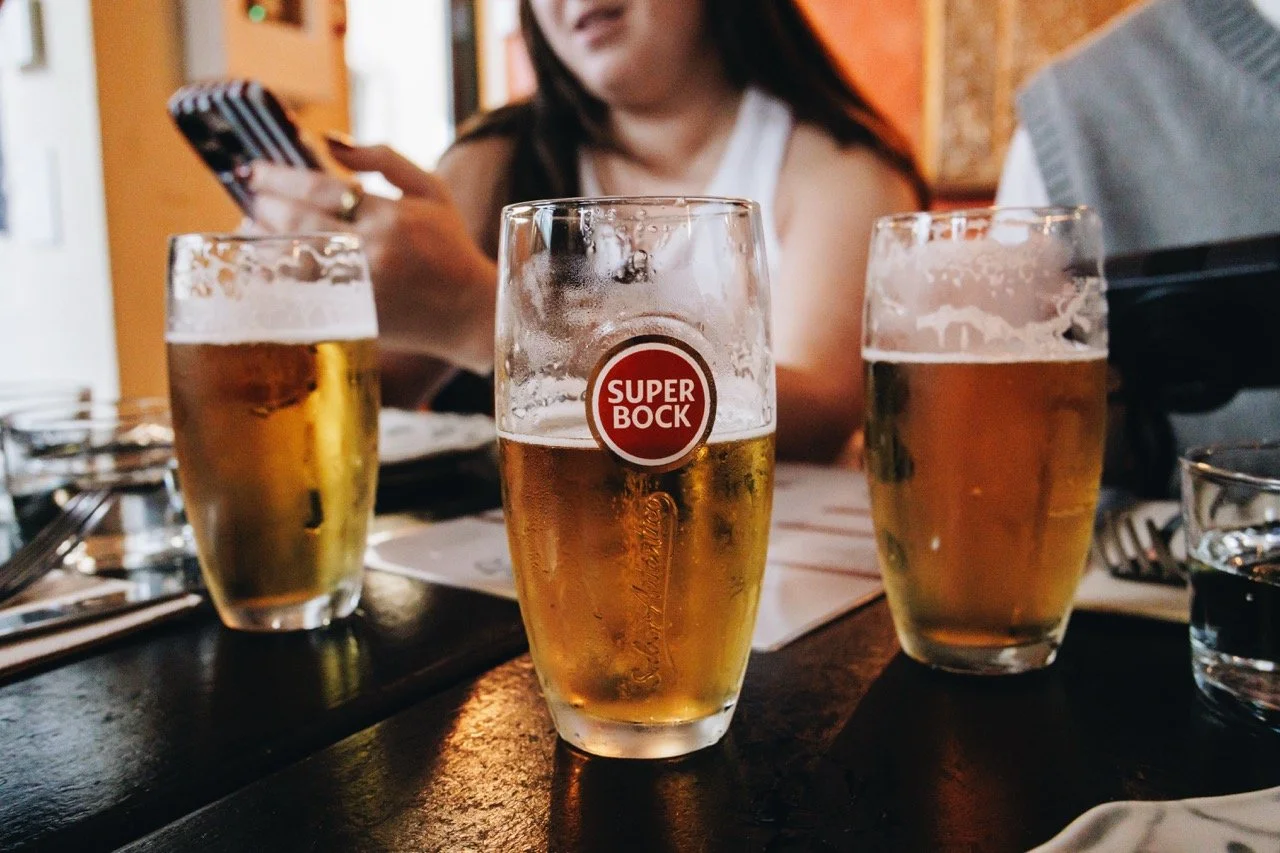
An imperial at Discreto, Bairro Alto, Lisbon

Manteigaria

Yes, there's a debate. Yes, Manteigaria wins it. Eat the pastel standing at the counter, dust of cinnamon, espresso in the other hand. Two minutes, then keep walking.


Chapter Four

Where to Drink

Coffee in the morning, wine in the afternoon, a cocktail when the light goes. Lisbon makes all of it easy.

Dramático & COMOBÅ To Go

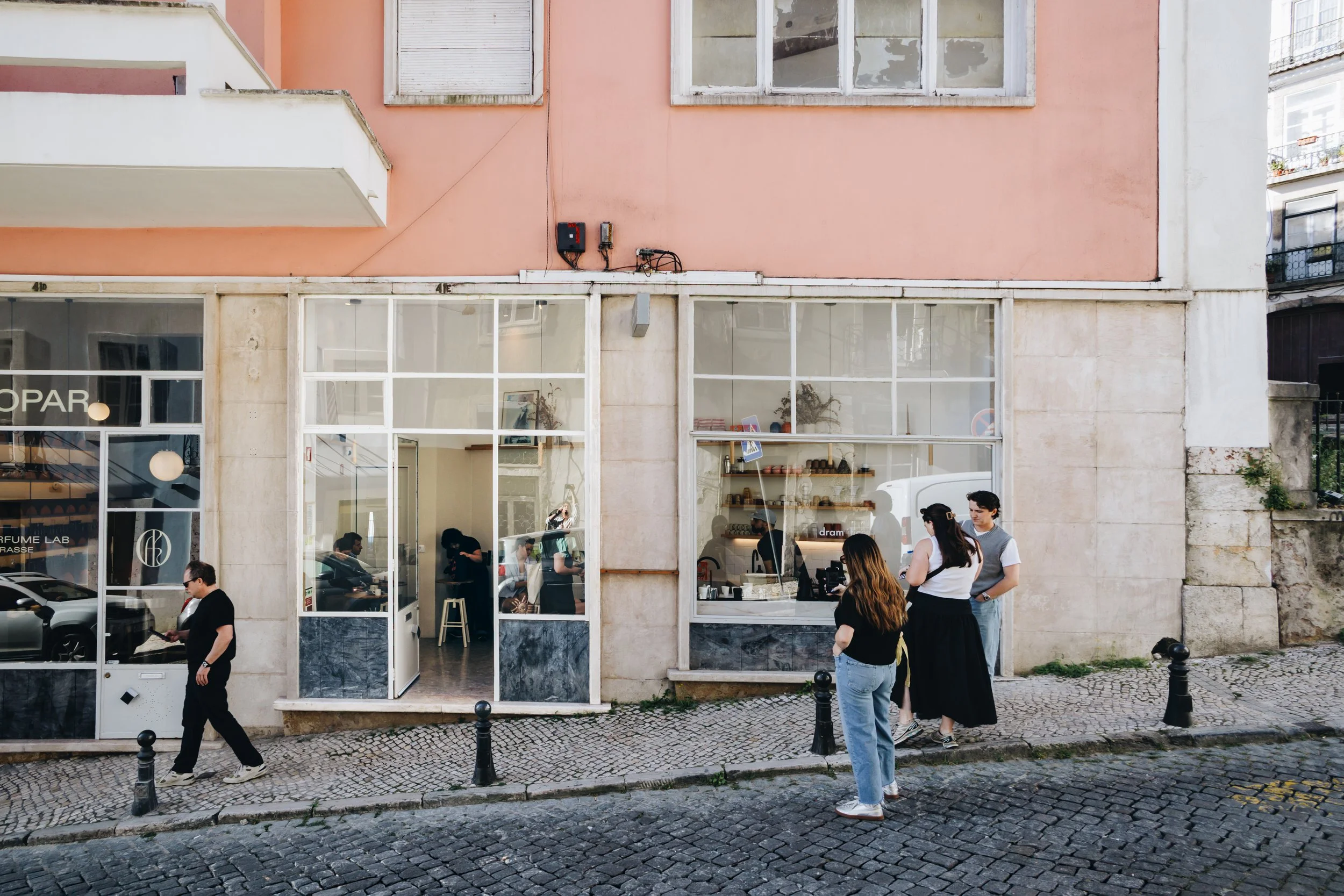
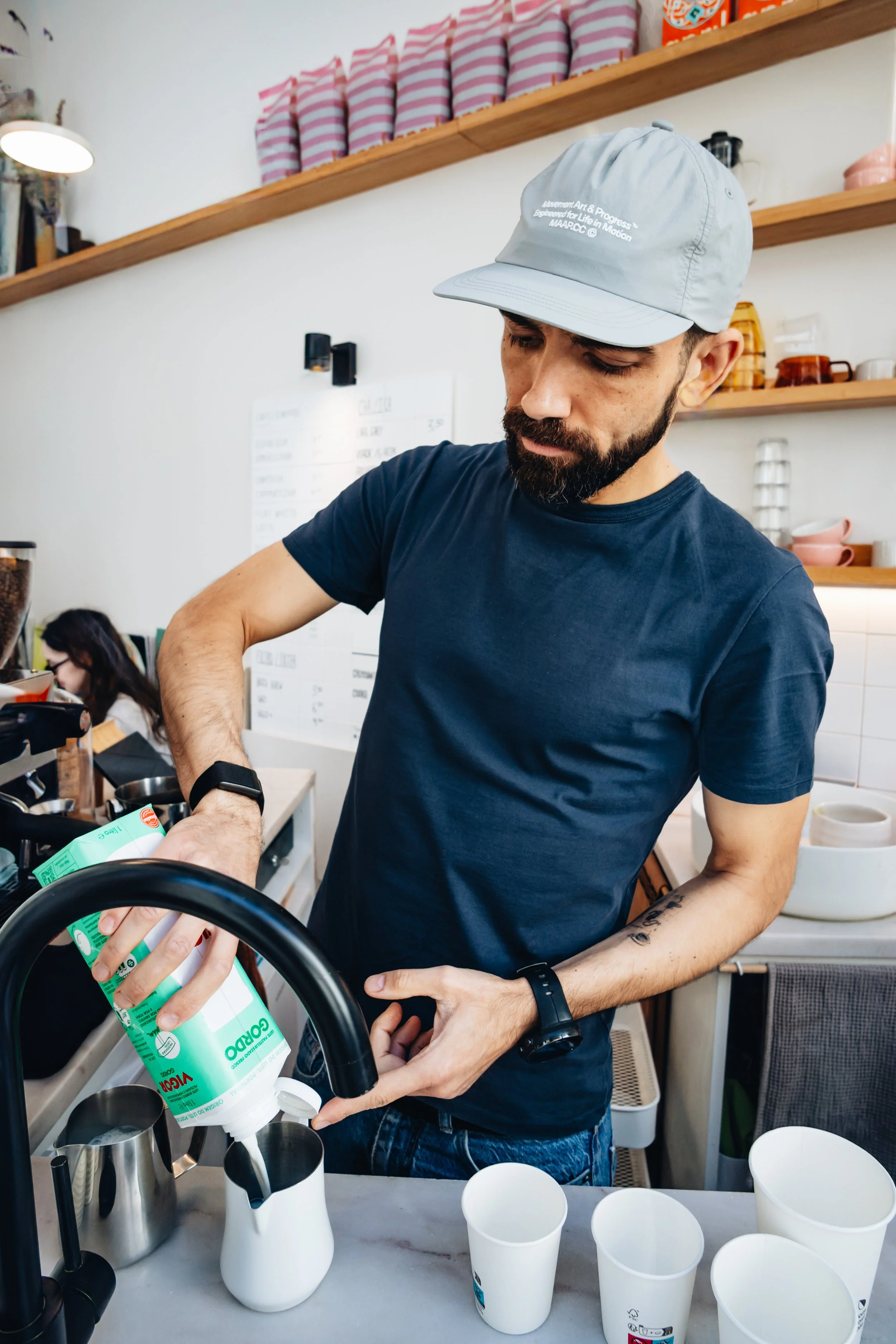
Dramático is the sit-down morning move: small, careful, the kind of place where the barista knows the beans. COMOBÅ is the to-go counter for the days you're walking. Both worth the detour.

Dramático coffee shop, Lisbon
Coffee at Dramático, Lisbon

Black Sheep Lisboa

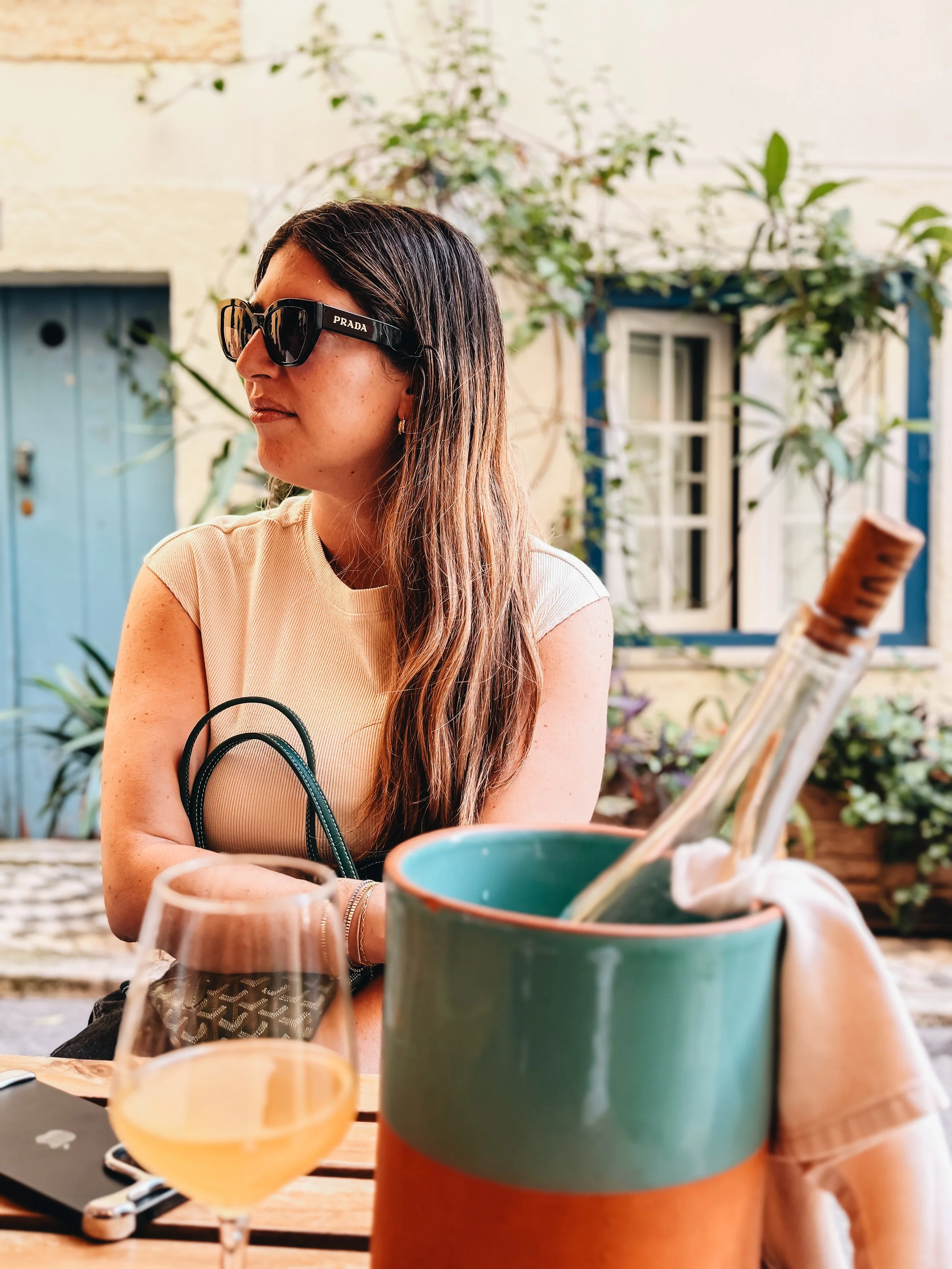
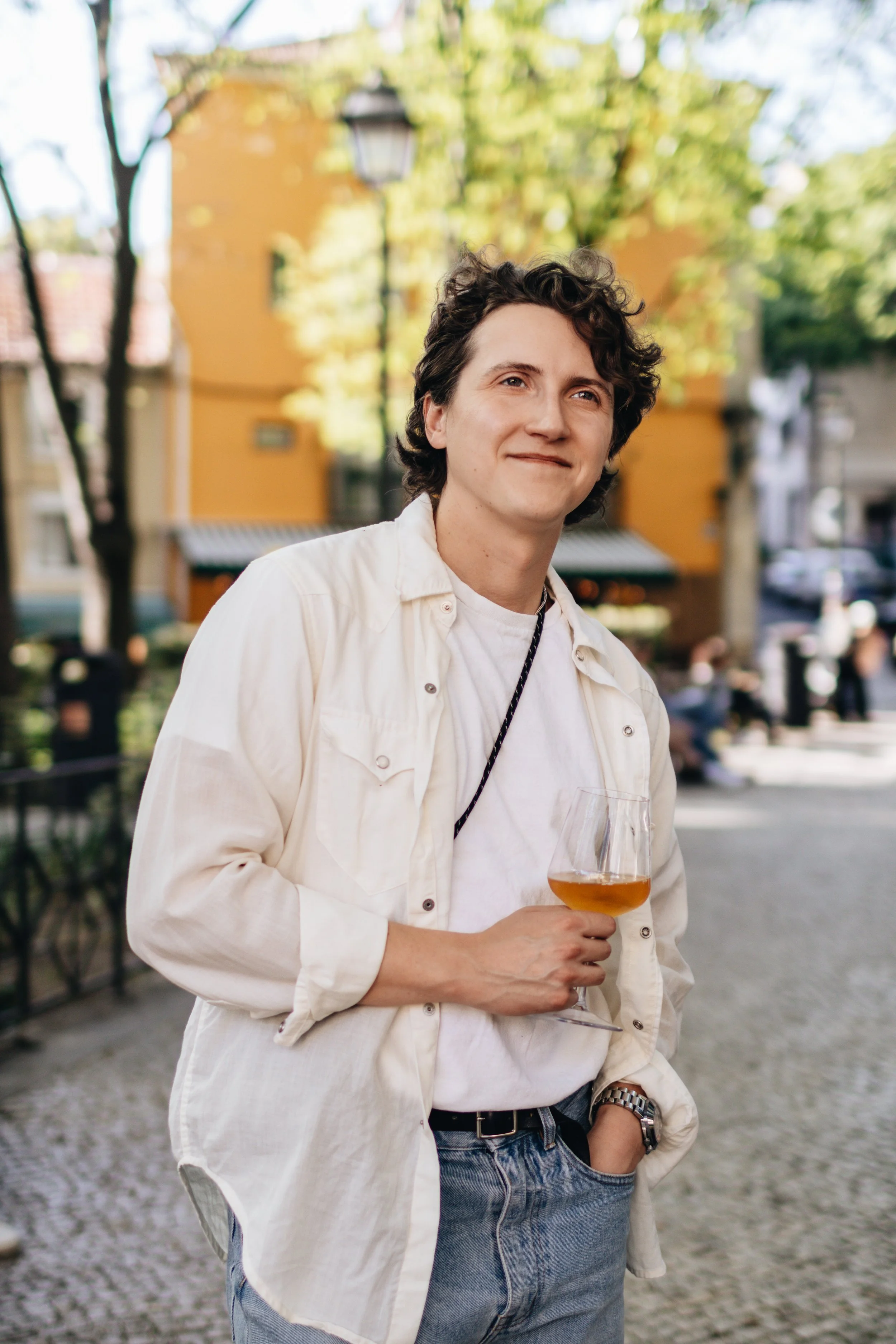
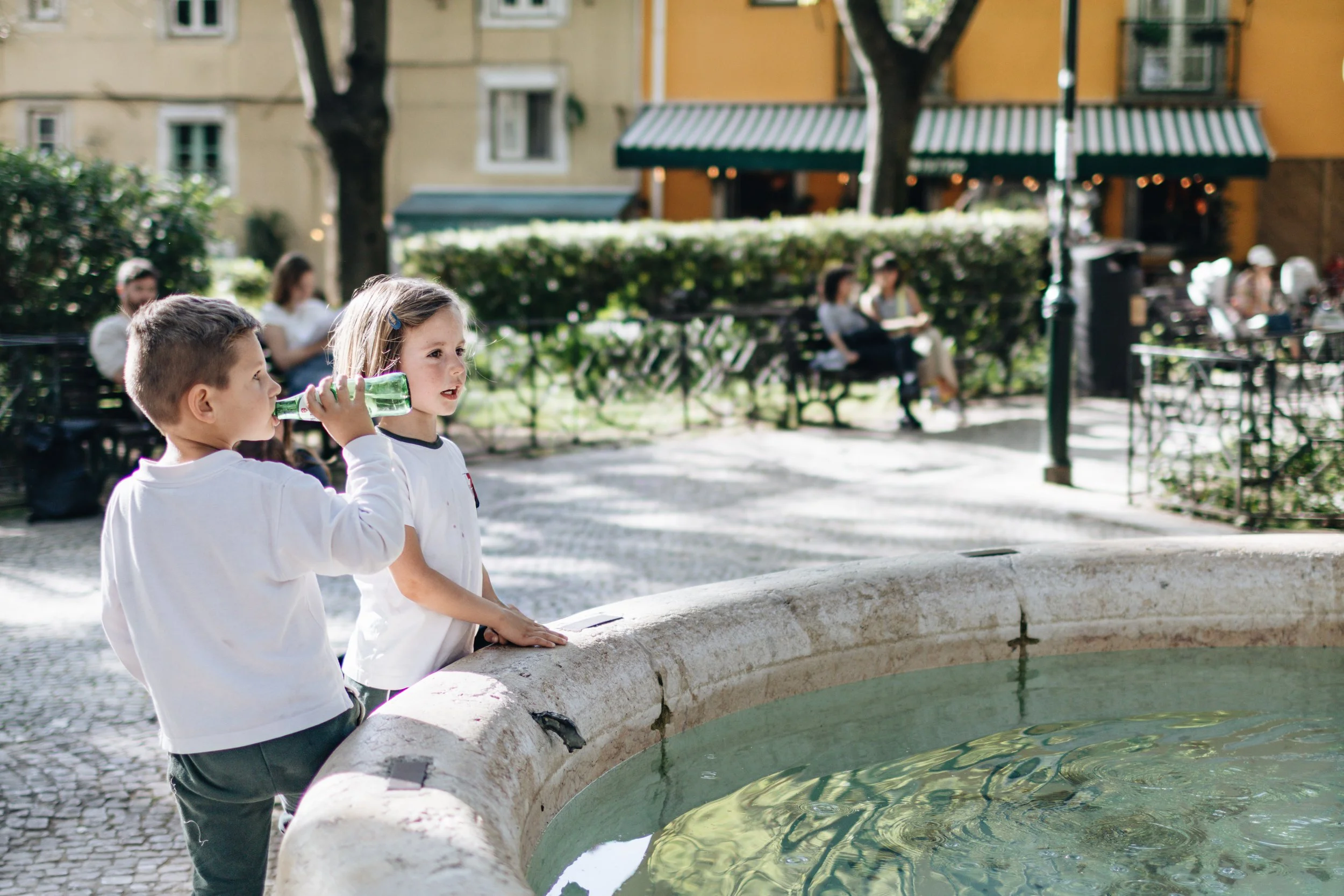
This is the one to underline. Black Sheep is a natural wine shop, but the move is this. You walk in, pick a bottle (lean into the Douro), hand over your ID, and they pour it into plastic cups for you to take across the street. The park opposite, Jardim Fialho de Almeida, is the destination. Families on benches. Older women mid-conversation. Kids running. You sit, you drink, you watch. It's the most Lisbon thing you'll do all week.

Black Sheep Lisboa wine shop, Príncipe Real
Wine in Jardim Fialho de Almeida park, Lisbon

Imprensa Cocktail and Oyster Bar

When the cups in the park aren't going to cut it. Cocktails done seriously, oysters on the side, the right room for the last drink of the night.

Tapas Bar 52

Loud, alive, the kind of place where the night actually happens. Go later than feels right.


Chapter Five

Where to Wander

Three stretches I'd photograph again tomorrow.

Alfama, early morning

We did a walking tour here, and the lesson was simple. Come back at 7am alone with a camera. The oldest quarter of Lisbon goes off in the first hour of light. White walls warm up, tiled stairways stay cool, the laundry lines glow. By 10 the tour groups arrive. Be gone by then.

Alfama at sunrise, Lisbon Field Guide

Príncipe Real to Bairro Alto, late afternoon

A slow walk through the gardens, a glass somewhere along the way, ending at a miradouro for the drop. This is the late-afternoon spine of the city.

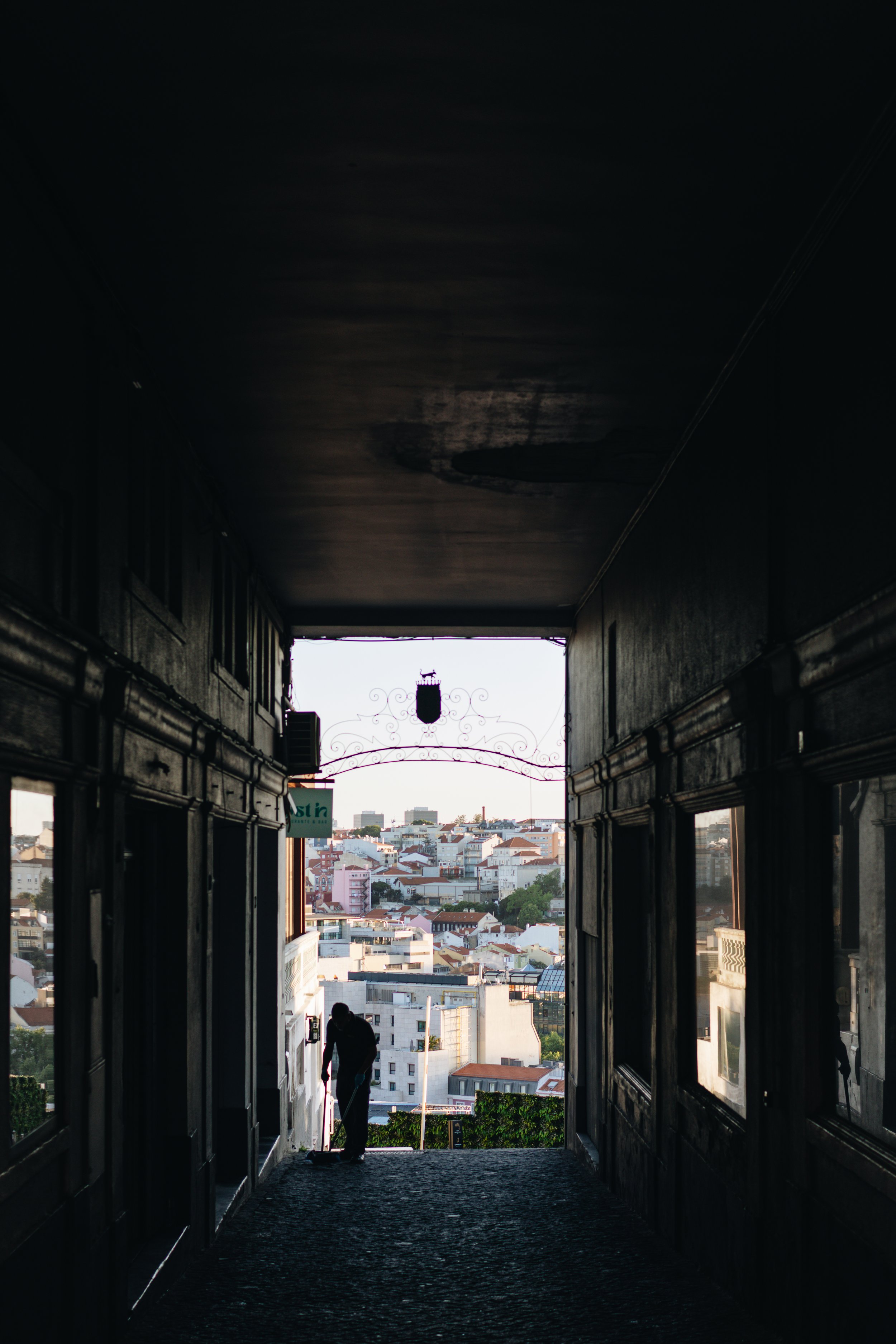
A street in Bairro Alto, late afternoon, Lisbon

Miradouro de Santa Luzia

Tile panels, bougainvillea, the rooftops falling toward the river. Crowded. Go early or accept it.


Chapter Six

Where to Linger

The places that earned a second visit. The whole point of Lisbon, honestly.

Jardim do Alto de Santa Catarina

The sunset spot. A park on a cliff, the river wide and silver below, half the city showing up around 7 with bottles and speakers. It's a scene. Bring something to drink and a friend.

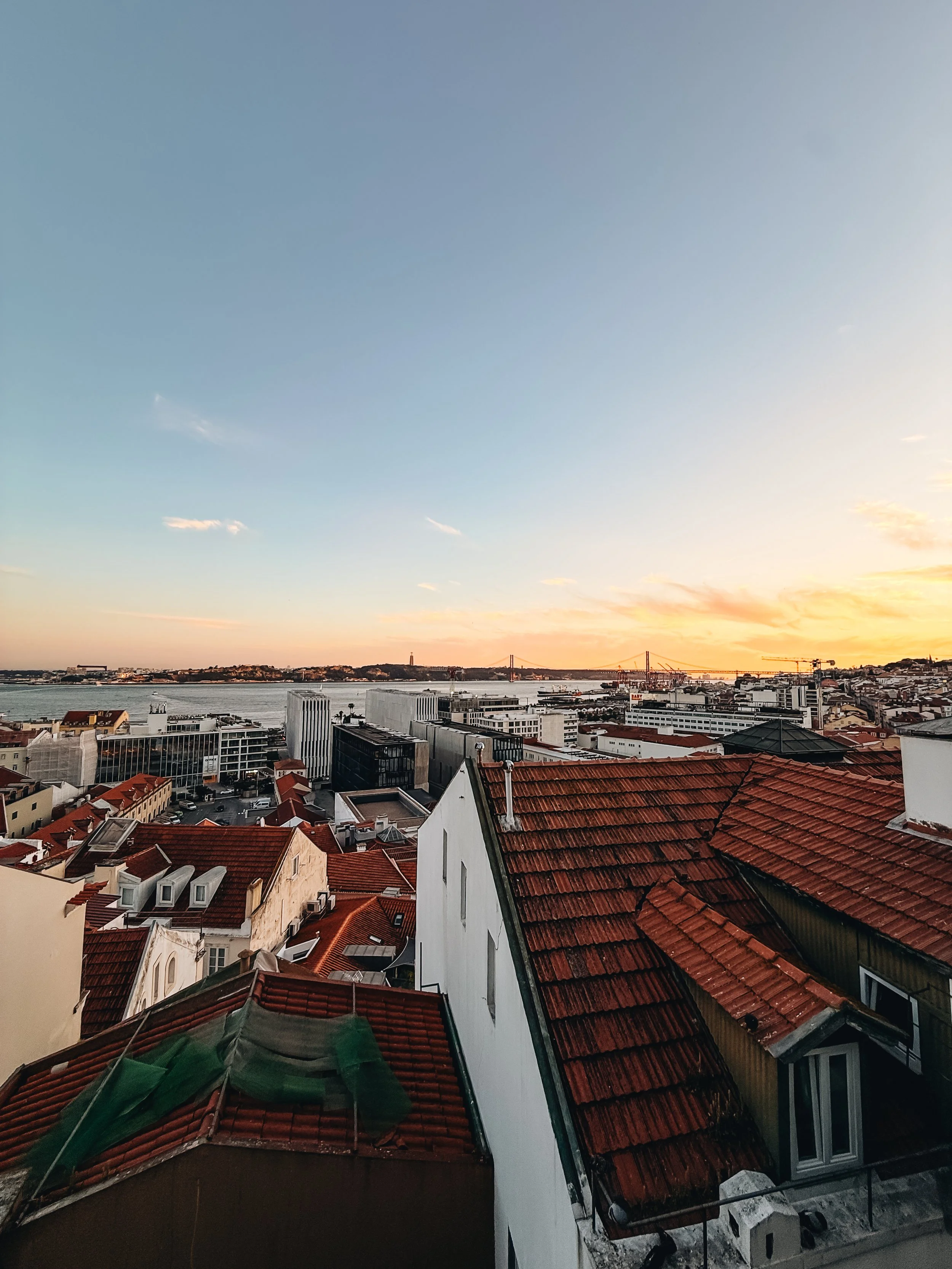
Sunset at Adamastor viewpoint, Lisbon

Praça Luís de Camões

A small beer, a bench, an hour. People-watching as a discipline.

Café da Garagem

Tucked into a theater, a wide window over the city, a quiet table. The afternoon coffee or early drink with the best view-to-effort ratio in town.

Café da Garagem, Lisbon

Chapter Seven

What I'd Skip

  • Pink Street. Photogenic on the feed, sticky in person. Skip unless you're shooting at 6am with no one in it.
  • Tram 28, midday. Beautiful in theory, packed in practice. Walk the route at sunrise instead and shoot the trams empty.
  • The bigger pastel de nata names with the lines around the block. Manteigaria is better and the wait is shorter.
Coda

Photographer's Notes

The real reason to keep this guide.

The light, by hour.

Lisbon's terrain does most of the work for you. The seven hills mean you get long, raking light morning and late afternoon. Far longer windows than a flat city gives you. Alfama is a sunrise neighborhood. Príncipe Real and Bairro Alto are late afternoon. The river-facing miradouros (Santa Luzia, Senhora do Monte) are golden hour.

Where I'd bring a client.

For interiors and editorial, Memmo Príncipe Real has the kind of considered light and patina you can't fake. For food, Plano and A Obra both shoot beautifully: open kitchens, honest surfaces, real natural wine on the table. For street and lifestyle, the park across from Black Sheep at 6pm is the best two-block radius in the city for unscripted, candid frames.

What stood out.

Lisbon is one of the few cities where the easygoing pace is the photograph. You don't need to chase. You sit, you wait, you let the city show up. I shot more standing still here than anywhere I've worked recently.

One frame I missed.

The portraits. I shot the city, its light, its hills, its tables, but I didn't shoot enough of the people who run it. The man pulling espressos at the counter. The woman folding laundry on the line above an Alfama alley. The cook leaning out the kitchen door for air between services. A place isn't fully captured until you've sat with the people who keep it moving, and that's the work I'm taking into the next guide.

Quiet evening in Lisbon, Field Guide closing image
Field Guide No. 01

Quick Reference

Stay Memmo Príncipe Real
Eat Plano · Taberna da Rua das Flores · A Obra · Discreto · Manteigaria
Drink Dramático · COMOBÅ To Go · Black Sheep Lisboa · Imprensa · Tapas Bar 52
Wander Alfama (AM) · Príncipe Real to Bairro Alto (PM) · Miradouro de Santa Luzia
Linger Adamastor at sunset · Praça Luís de Camões · Café da Garagem
Skip Pink Street · Tram 28 by day
Next
Next

Why Chicago Hotels and Restaurants Need an Evergreen Content Library (And How to Build One)